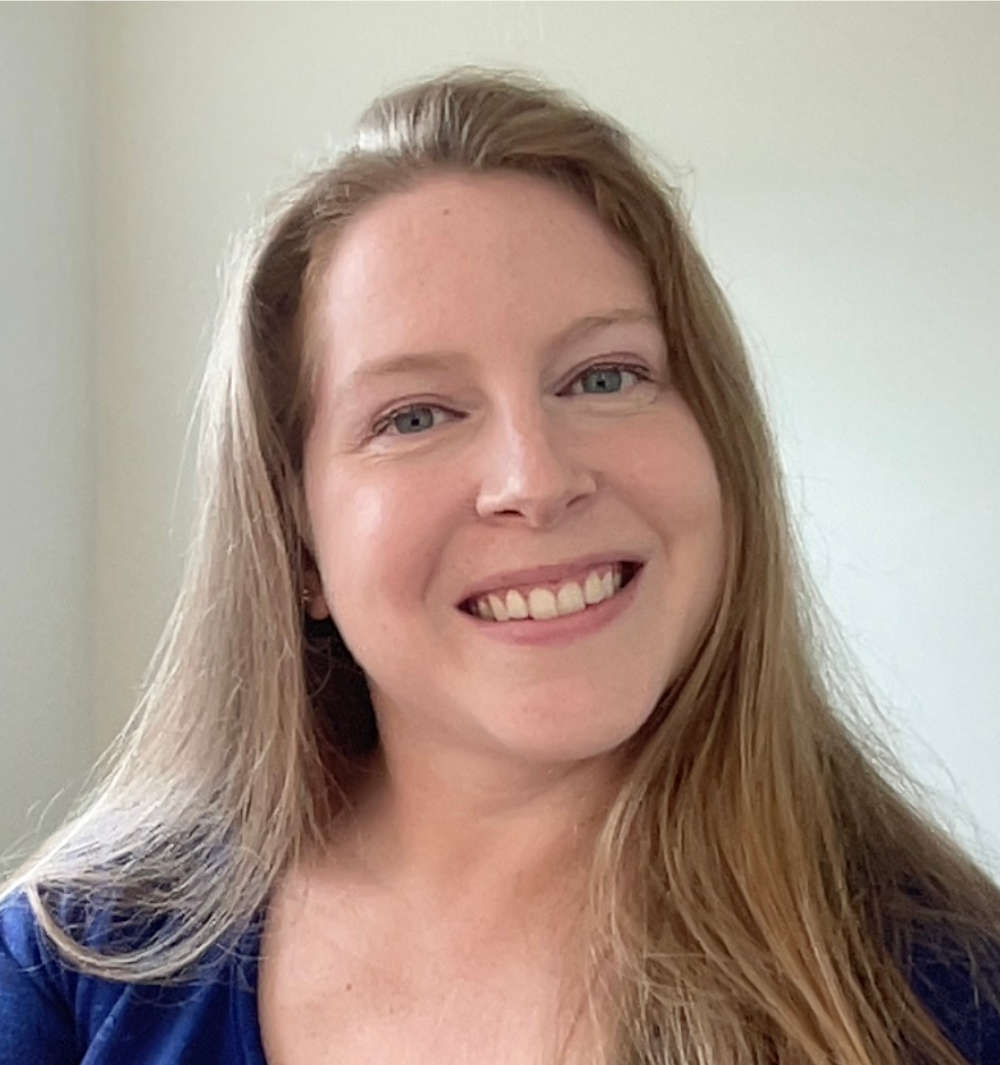
LGPC, License #LGP16633,
under the supervision of
Madison Elie-Thompson
Sometimes the hardest part of therapy is finding someone who actually gets it. Maybe you grew up in a family where your needs came second, you're carrying the effects of trauma, or you're struggling with patterns that you can't seem to break. You know life can be different, but you can't seem to get there.
My approach is warm, conversational, and direct — creating an environment where you can feel understood and accepted while also taking an honest look at what may be keeping you stuck.
I primarily work with trauma, family and relationship conflict, and stress. I believe that everything we do, good or bad, helped us at some point in our lives. You may have survived a tough childhood, an abusive relationship, or a toxic work environment. My goal as a therapist is to help you recognize your strengths, see the habits that no longer serve you, and make conscious decisions about how you want to shape your future.
I also work with pilots and aviation professionals, an area that is especially meaningful to be because I've worked in the aviation field. I understand that pilots face unique pressures and requirements, and I've developed my practice with those concerns in mind.
My work is informed by client-centered therapy, EMDR, Internal Family Systems (IFS), Choice Theory, and Transactional Analysis. We'll shape a plan together to find what will help you build the life you want and deserve.
You don't need to have everything figured out before you call. Reach out for a free 15-minute consultation and let's see if we're a good fit.

Sometimes you know something isn't working, but you can't quite figure out why—or how to change it. You may have tried to handle it on your own, talked with friends, or promised yourself it would go differently next time. Yet somehow, you keep ending up in the same place.
Therapy gives you space to slow down, understand what's happening beneath the surface, and decide what you want to do differently.
We'll explore the patterns that developed earlier in your life, recognize the strengths that helped you get here, and identify what still serves you — and what doesn't.
Friends and family are important sources of support, but therapy is different because the conversation is about you.
You can explore thoughts and feelings without worrying about taking care of someone else, being judged, or balancing the conversation. You can say the things you haven't felt comfortable saying anywhere else.
And me? My job isn't just to listen. I'll help you notice patterns, ask questions, and gently challenge you when there's something worth exploring, while keeping your goals in mind.
You don't need to know exactly what kind of therapy you need. What matters most is that you're curious about yourself, willing to be honest, and open to trying something different. If you're ready to understand what's keeping you stuck and start figuring out what comes next, I'd love to talk with you.
Sometimes the things that happen to us continue to affect us long after they're over. Trauma isn't always one obvious event. It can come from things like relationships, divorce, accidents, loss, or betrayal, and can leave you feeling hopeless, powerless, trapped, or alone.
EMDR is one approach I use to help process experiences that still feel overwhelming. One benefit is that you don't necessarily have to talk through every detail of what happened. EMDR work has several phases, focused on safety and healing. As the strength of traumatic experiences fade, they can begin to feel further in the past, allowing you to move forward with greater confidence, resilience, and a renewed sense of empowerment.
EMDR has been endorsed by numerous organizations, including the Department of Veterans Affairs, the American Psychological Association, the World Health Organization, and the US Department of Defense. Learn more at EMDRIA.org.
If you're a pilot, flying is a crucial part of who you are. It requires skill, focus, and precision. In this industry, seeking therapy can come with an additional question: What could this mean for my career?
With experience in the aviation field, I understand how important this question is, and I've developed my policies with it in mind. Whether you're coping with anxiety, burnout, relationship issues, trauma, or stress, you don't have to figure it out alone.
You can take care of yourself and take your career seriously at the same time.
Feeling comfortable with your therapist is an important part of treatment. I offer a free 15-minute video consultation for new clients, where we can discuss your goals, my approach, and your questions about therapy.
A standard therapy session is 55 minutes in length, and is billed at a rate of $125 per session for self-pay clients. I am currently in-network with Cigna/Evernorth insurance (see below). Limited sliding-scale spots are available based on need. Goals, progress, frequency of sessions, and length of services is discussed at the beginning of treatment and revisited at regular intervals. Therapy is held via video chat through a secure portal. Clients need a webcam, speakers/earphones, a stable internet connection, and a private space in the state of Maryland.
At this time, I am currently in-network with Cigna/Evernorth. If you are a member, call the number on the back of your insurance card to verify benefits, deductibles, and copays.
If you are covered by a different company, your coverage may include partial reimbursement for out-of-network services. Please call the number on the back of your insurance card to see if your plan includes reimbursement for behavioral out-of-network care.
Therapy and behavioral health services are often qualifying expenses for Healthcare Flex Spending programs or Health Savings Account programs. If you participate in either of these services, reach out to your program administrator or your employer's Human Resources department to see if behavioral health services are reimbursable.
Clearbrook Therapy does not provide emergency or crisis services. If you are experiencing a mental health crisis, please call 911 or go to your nearest emergency room.
In Frederick County, 24/7 walk-in crisis services are available through the Mental Health Association at 340 Montevue Lane in Frederick. Virtual 'walk-in' services are also available.
In Montgomery County, 24/7 walk-in crisis services are available through the Department of Health and Human Services at 1301 Piccard Drive in Rockville.
Dial 988 for the nationwide Suicide & Crisis Lifeline, or start a live chat.
The Veteran's Crisis Line can be reached at veteranscrisisline.net or 988, option 1.
Get suicide prevention services for LGBTQ+ youth at The Trevor Project, voice, text, or chat.
The Body Keeps the Score by Bessel van der Kolk
A classic in the field, this book discusses how short- and long-term trauma can impact multiple systems in the body, and different ways to recover.
Emotional Blackmail: When the People in Your Life Use Fear, Obligation, and Guilt to Manipulate You by Susan Forward
This is a helpful read if you often feel fear, obligation, or guilt in your close relationships. This can be with family, friends, or romantic partners. Forward shows you ways to identify when emotional blackmail is happening and ways to respond that set healthy boundaries and preserve peace of mind.
No Bad Parts by Richard Schwartz
Parts work is an approach to therapy that says we all have 'parts' — do you ever hear a parent's voice in your head? Or have heard the term 'inner child'? Schwartz's work talks about the different parts we have, the purposes they serve, and how we can keep our true self in the driver's seat more often.